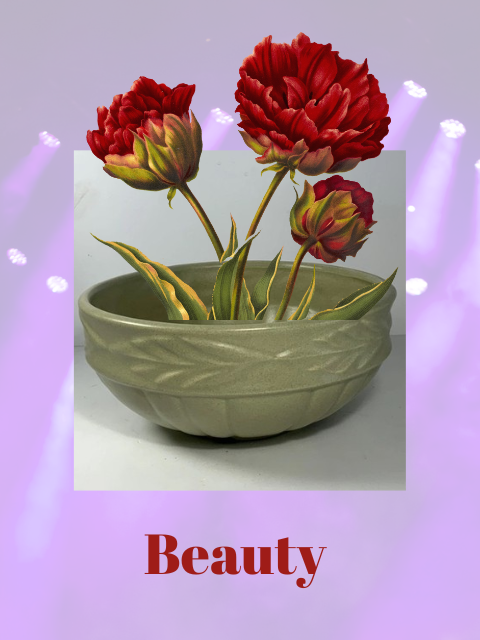
Everyone deserves beauty. It heals us and brings us the Energy for a fulfilled life. In Decorating Project-Symbols and Patterns, a former math teacher, MC, a middle-aged, disabled man asked me to help him with my decorating ideas. Keeping up a neat appearance is difficult for someone who is handicapped. Furthermore, health issues were draining assets, putting beauty on his back burner. Ironically, that beauty is what is needed for health, especially emotional health.
MC wanted to concentrate on his kitchen- dining area. It is a room that dated back to the 50’s but MC didn’t want to remove anything because he associates this kitchen symbolically with his deceased, loving mother.
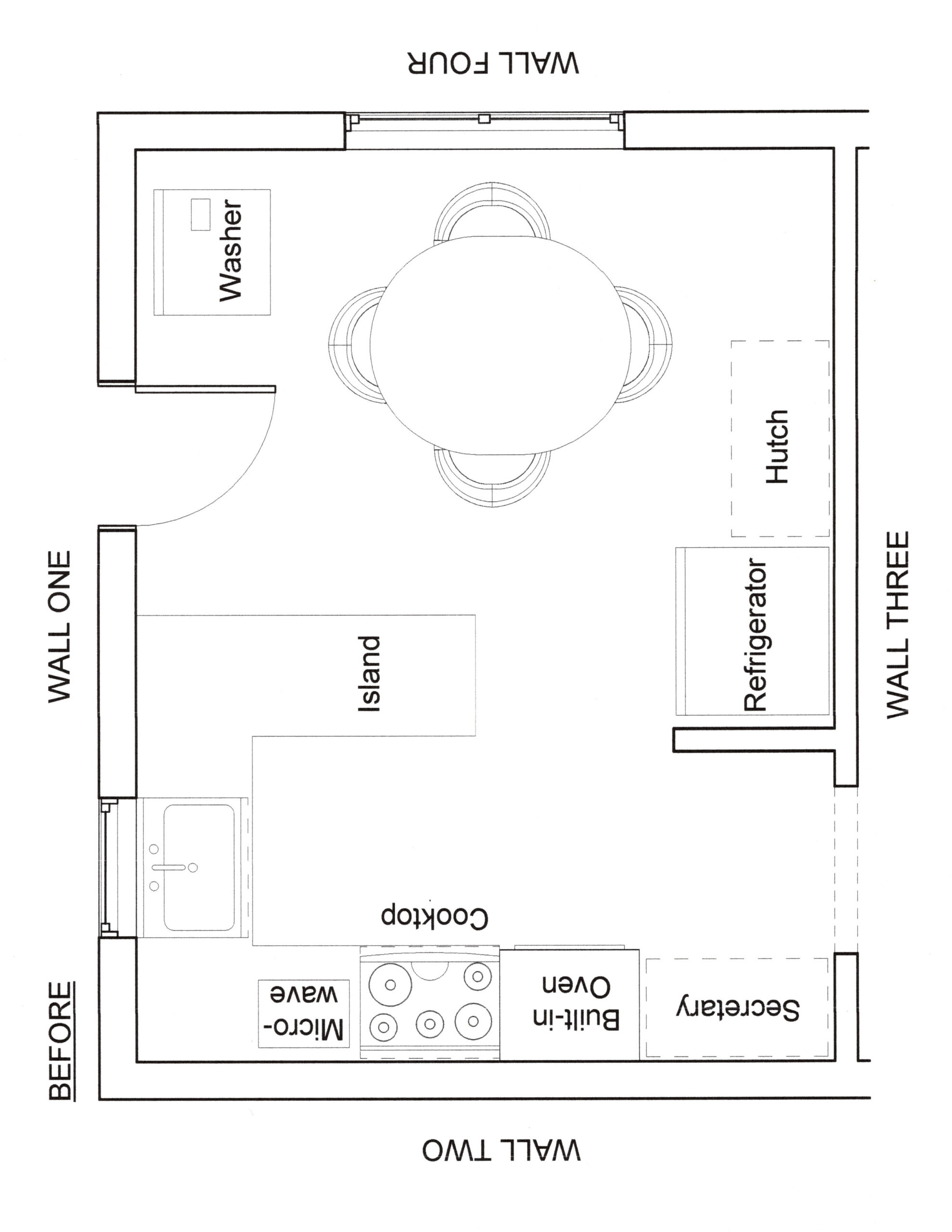
I explained to him that he didn’t need to dispose of anything that comforted him. He just needed to do a few things to create a subliminal geometric pattern. It is in that geometry that decorating has its greatest power. [1] Using geometry, part of our Western tradition, we created the plan. Many Western people went to the East to use Feng Shui and other ways to create harmony in the environment.
As I told him, I believe we can create a Western form of Feng Shui, using ancient Western techniques. A majot technique is the use of geometry. Since MC had been a math teacher, using geometry excited him.
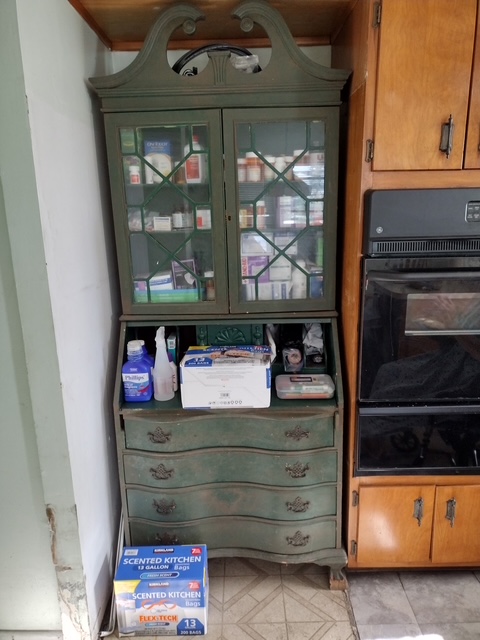
The Kitchen Upon Entering Wall One with Sink and Part of Wall Two with Stove
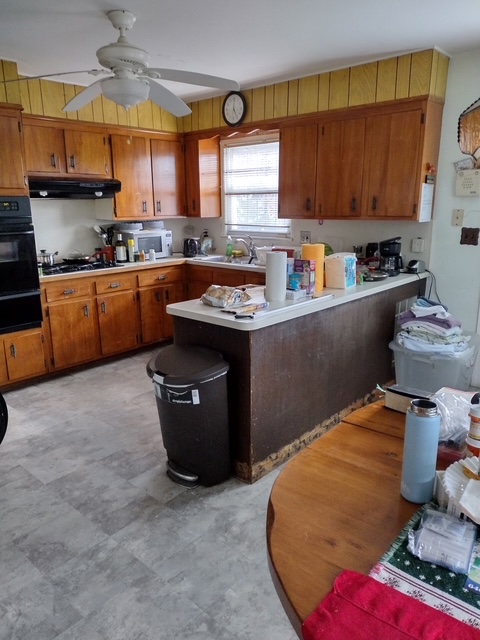
Continuation of Wall One
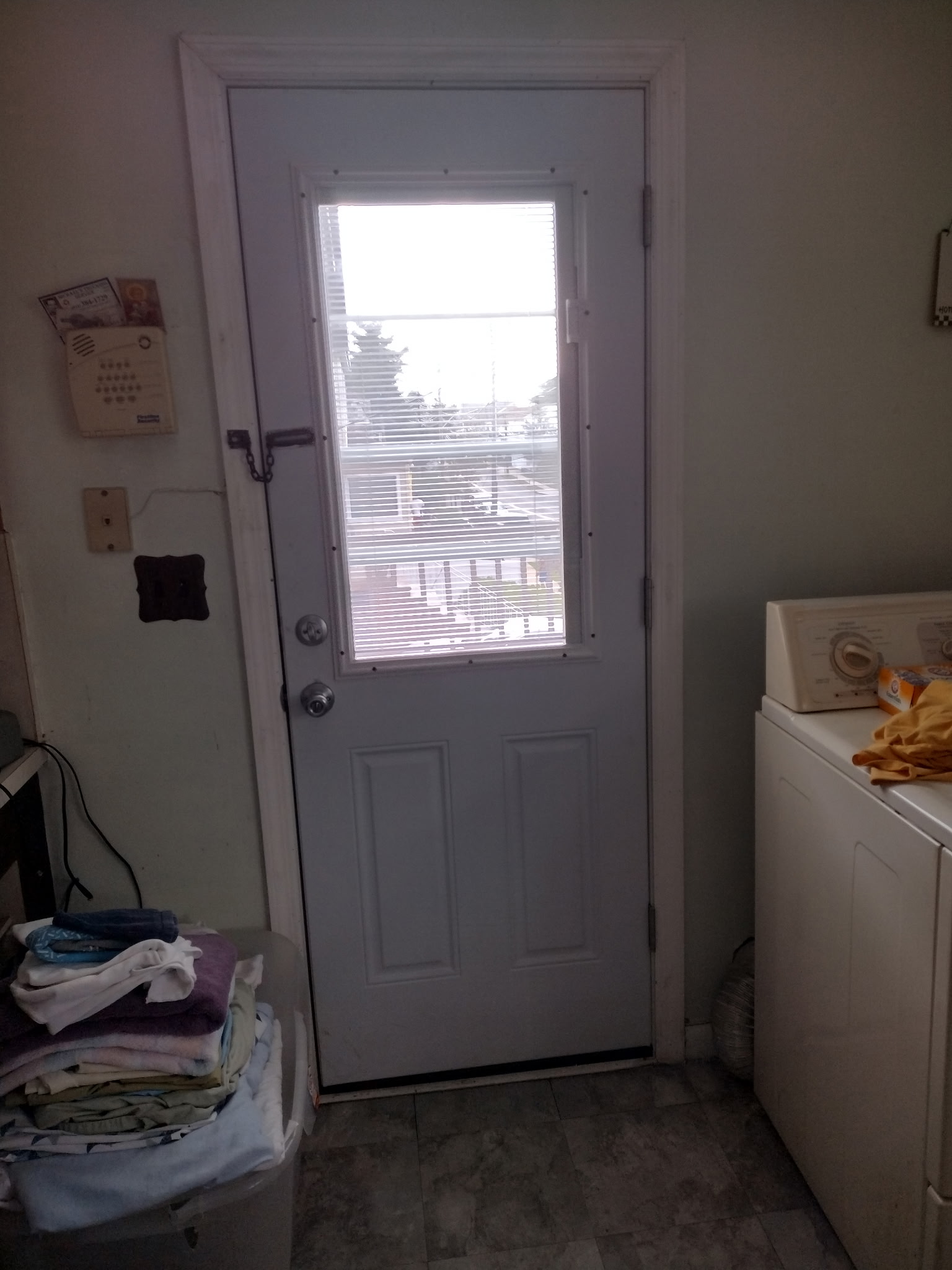
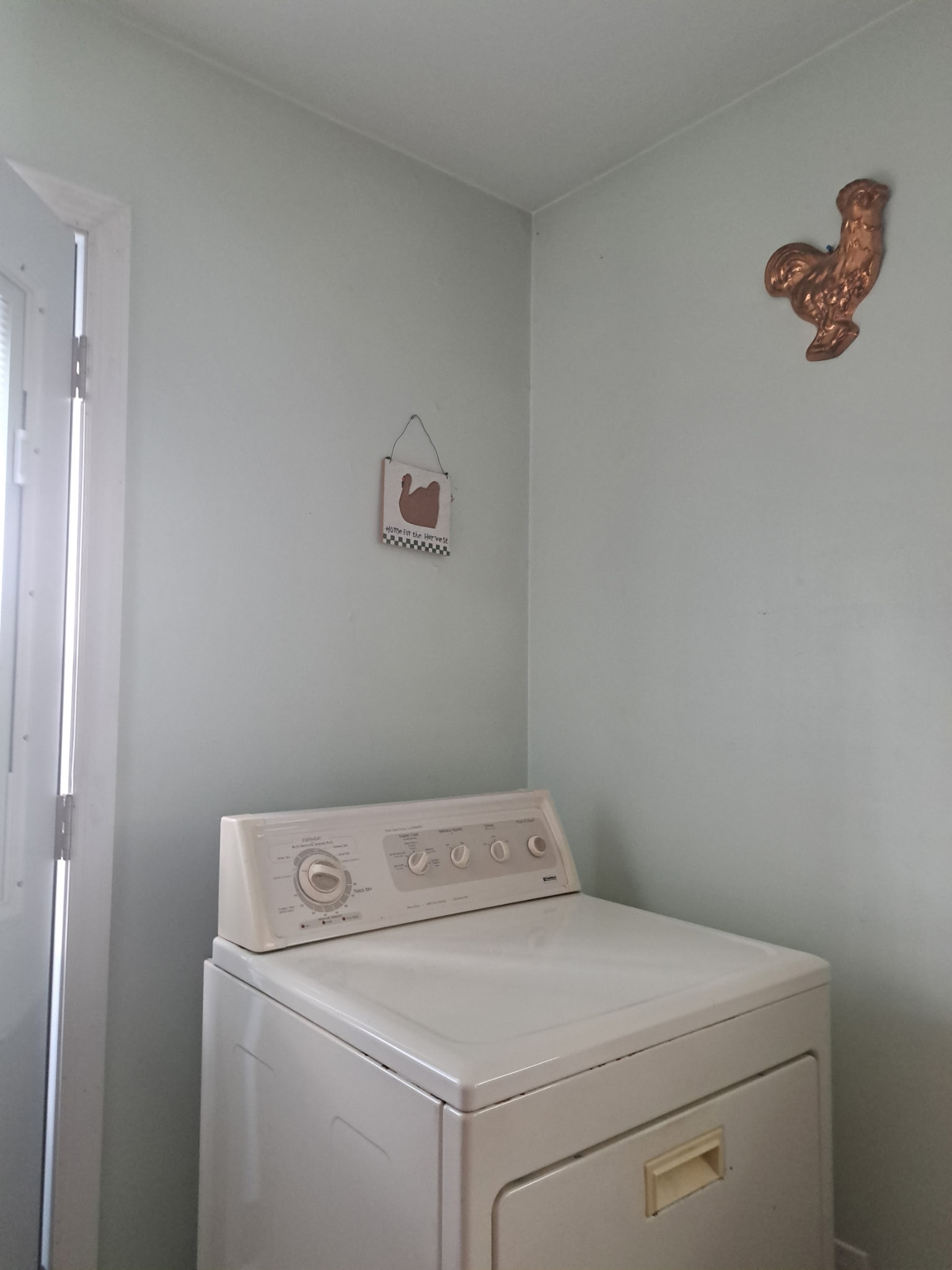
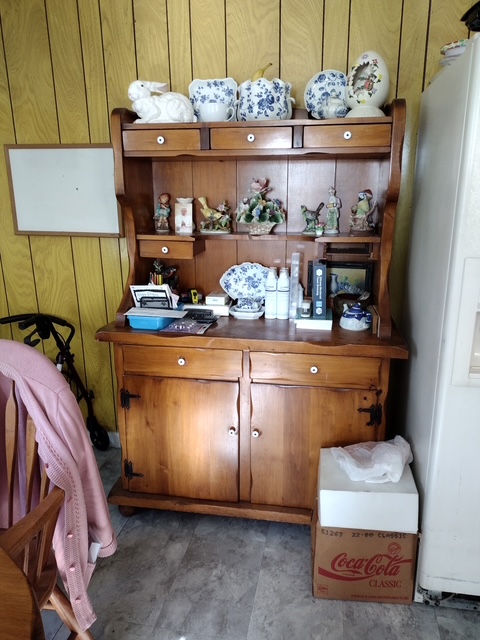
Wall Three
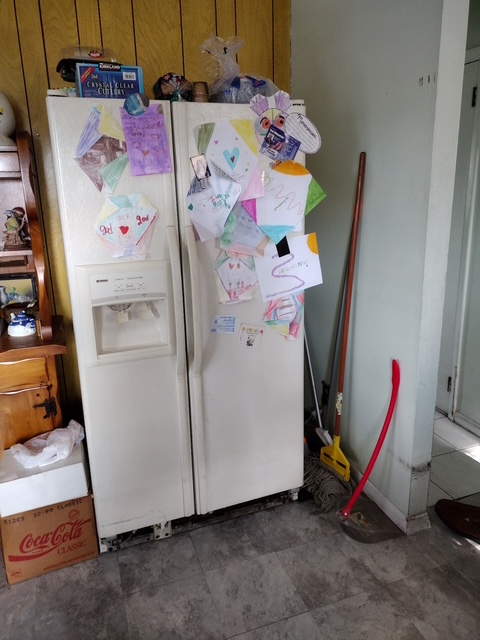
Wall Four
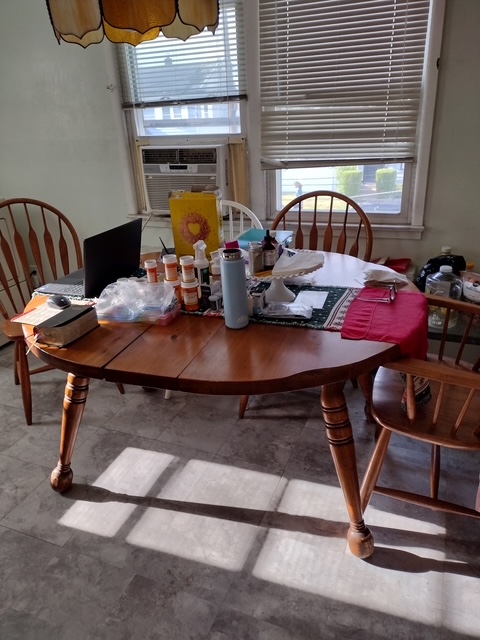
The Corner of Wall Three and Wall Four
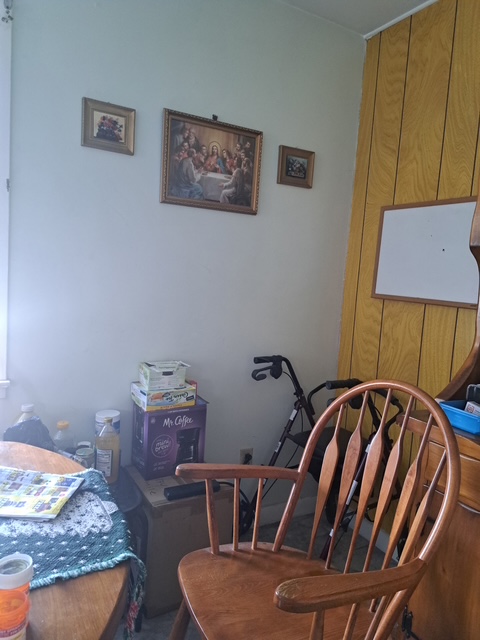
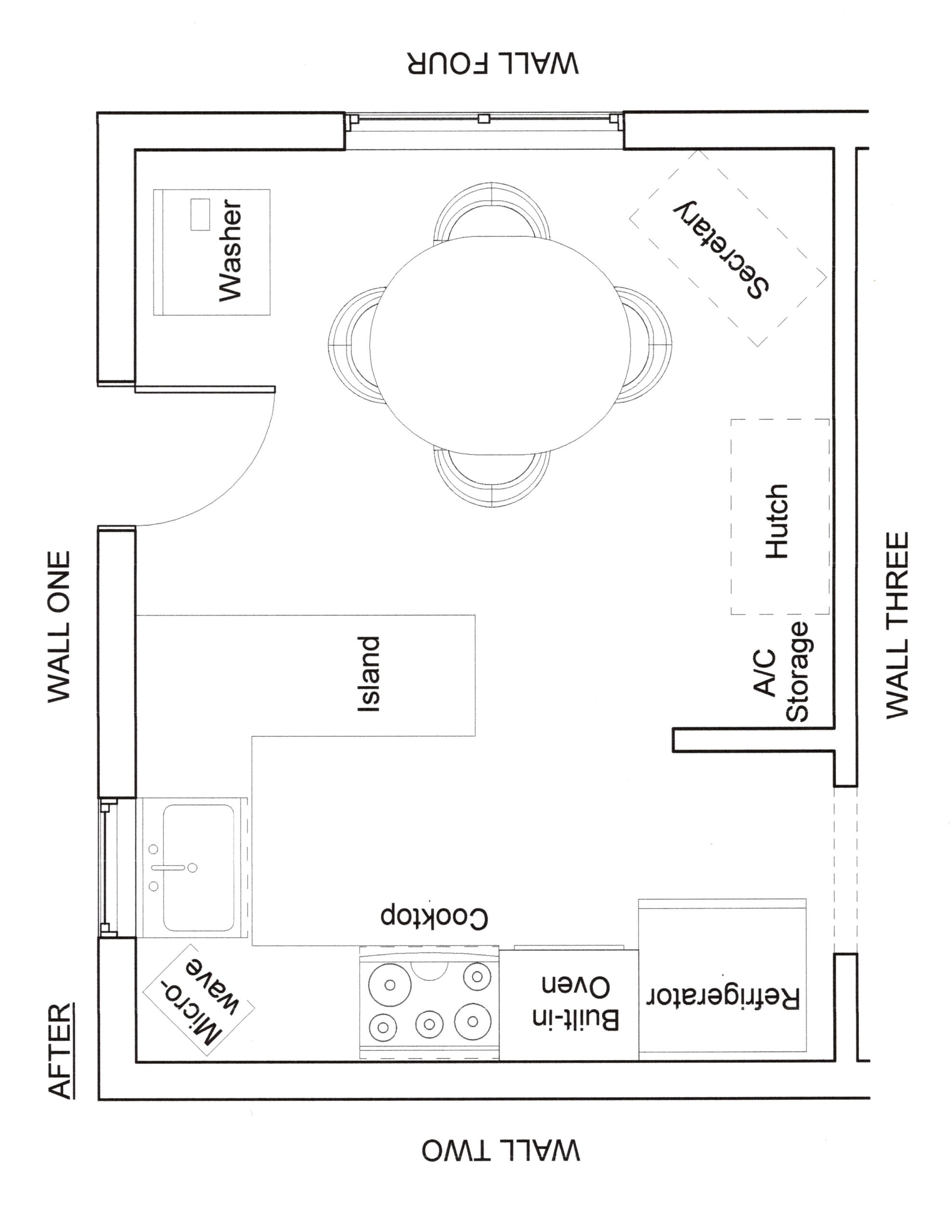
The Plan
The first thing the readers might recommend is to eliminate the clutter. But MC’s disability meant special ways to deal with clutter while harmonizing the space. I started with a plan to get the eyes to move in a circle, the simplest geometric form. We had several ways and utilized all.
Method One – Using the Gestalt Laws of Similarity and Continuation
The brain uses tricks to assimilate the ten billion things per second it sees. Gestalt psychologists analyzed these tricks to develop the Laws of Perception. For example, as the eye moves, it creates a subliminal geometric form. In Method One, we will use the Law of Similarity. [2] In a nanosecond, the brain connects all similar things. The brain connects texture, height, and color for instance. The most important thing in decorating, however, is color.
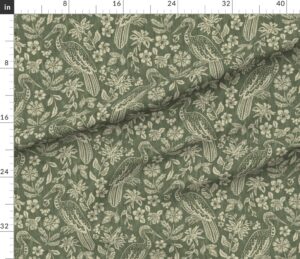
There are three shades of brown and some white walls that are similar. They are, however, not exciting. The most exciting color in the kitchen was the secretary desk close to a sage green. Using that desk as a focal point, we created several sage green items. Placement wasn’t a worry because another Gestalt law, the Law of Good Continuity or Good Continuation. This law says the brain chooses, when it can, to connect individual things in a smooth continuous flow. [3] In areas that are square and rectangular that law prompts the eye to travel in a smooth circular or elliptical path. This movement pleases the subconscious.
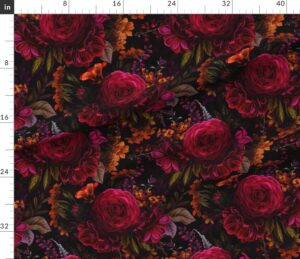
To place around the room, we chose sage green items. A friend of his bought material in sage green to make quilted placemats, dish towels and pot holders. She bought a dark red cloth for the bottom and the trim of the placemats. This color was close to the the complement of the sage green. The use of a complementary color relaxes the eye. [4]
*****
Another item that was bought was two vintage vases in sage green to be placed on the table and island. They will be later filled with dark red flowers similar to the beginning graphic,
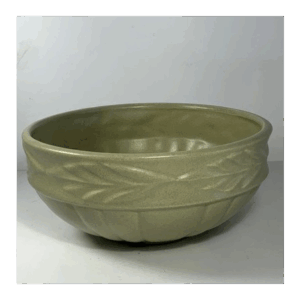
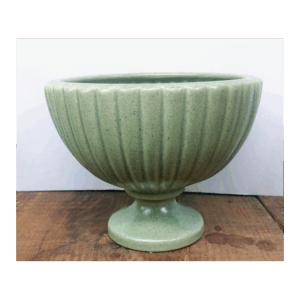
Method Two – Using the Gestalt Law of Common Region
The most important use of sage green served a duel purpose. Clutter was too difficult for MC to address but he could contain it. The Gestalt law, the Law of Common Region [5] could be used to contain clutter. The eye sees a dozen items corralled on a tray as a single one. Clutter seems to disappear.
So we bought trays of various sizes and sprayed them sage green. Pill bottles, mail, cleaning supplies, and other materials were placed in trays. The Gestalt Law of Common Region could be used to contain clutter. Seven trays made 150 cluttery items disappear from the brain’s attention.
The sage green trays also continues the Law of Similarity, a double benefit
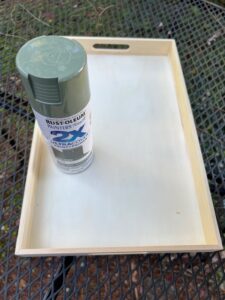
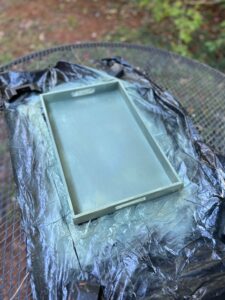
Completing the Laws Similarity
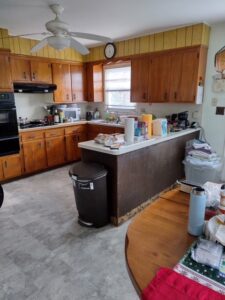
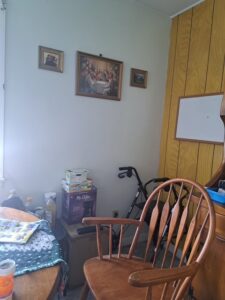
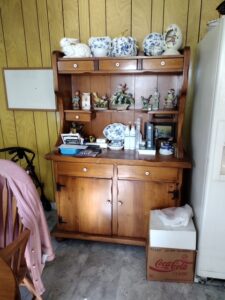
Some of the wall above the kitchen cabinets was yellowish- brown, a different color than the cabinets below. They clash. Using the Law of Similarity, we will paint the small wall above the kitchen cabinets white. The same thing will be done with wall 4. The color white will travel around the room engaging the Law of Similarity and eliminating an unnecessary color. Hopefully, he will have the money to paint wall 3, and the wall behind the dryer at the corner of wall 1, both already white but to refresh the area. If MC can’t afford to paint everything, at least these walls are white and the eye will travel in a circular manner.
Method Three – The Old Professor’s Theorem and the Gestalt Law of Closure
In Lesson III of my book, I describe how I used the plans for a painting into a 3D format for decorating a room. See the diagrams in that lesson for full understanding. [6] According to our painting teacher’s teacher, lovingly call the Old Professor, all paintings should be divided up into four quadrants. One was dominant, two were less less cluttered and one virtually empty. The eye looking at this pattern tried to close the emptiness moving in a circular manner. The Gestalt psychologists call this the Law of Closure. [7]
In my adaption in a 3D model, I made one wall dominant. That is I made one wall highly detailed, two walls less and one wall virtually empty. As in the 2D painting, the eye moves in a circle to close the gap. The eye does the same thing in a 3D room as it did in the 2D painting. It starts to move in a circle to “close” the gap. [8]
It turns out that MC’s kitchen was perfect for my 3D interpretation of the Old Professor’s theorem. Wall Two with the stove was dominant, Walls Three and Four were subdominant and Wall Four with the window and dining table were virtually empty.
Method Four – Circling the Square
Circular rooms are healthier for us bu we live in square and rectangular rooms. If we catty – cornered items in our rooms, they would approximate a circle.[9]

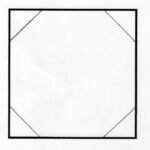
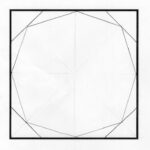
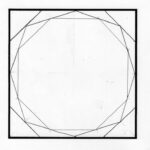
MC has three corners which are perfect for catty-cornered items.
- He moved the painted green secretary catty-corned on the corner of walls three and four.
- The microwave on wall two was catty-corned on the corner of walls one and two.
- The washer on wall could not be could not be moved, so an artificial plant was placed in a can which seemed to curve walls one and three. The green leaves also helped the eye move according to the Law of Similarity.
- (As an aside, the empty space where the secretary could then house the refrigerator. This contributed to wall two’s dominance and freed up wall four’s clutter.)
Clutter
One issue of concern is all the papers attached to the refrigerator. They are symbolic representations of care through drawings and cards. This is similar to putting children’d’s drawings on refrigerators. John Wheatman in Meditations on Design talked about these objects getting respect. He recommends a few children’s drawings to be framed and I recommend all papers of good wishes to be put in a folder, to be read in quiet moments. [10]
One issue of concern were the papers attached to the refrigerator. They were drawings and cards symbolizing care he was receiving John Wheatman in Mediations on Design talks about such objects getting respect. Referring to children’s drawing attached to refrigerators, he recommends a few of them framed together. I recommend all papers of good wishes placed in a folder, to be read in quiet moments. [10]
Finishing Touches and Unsolved Problems
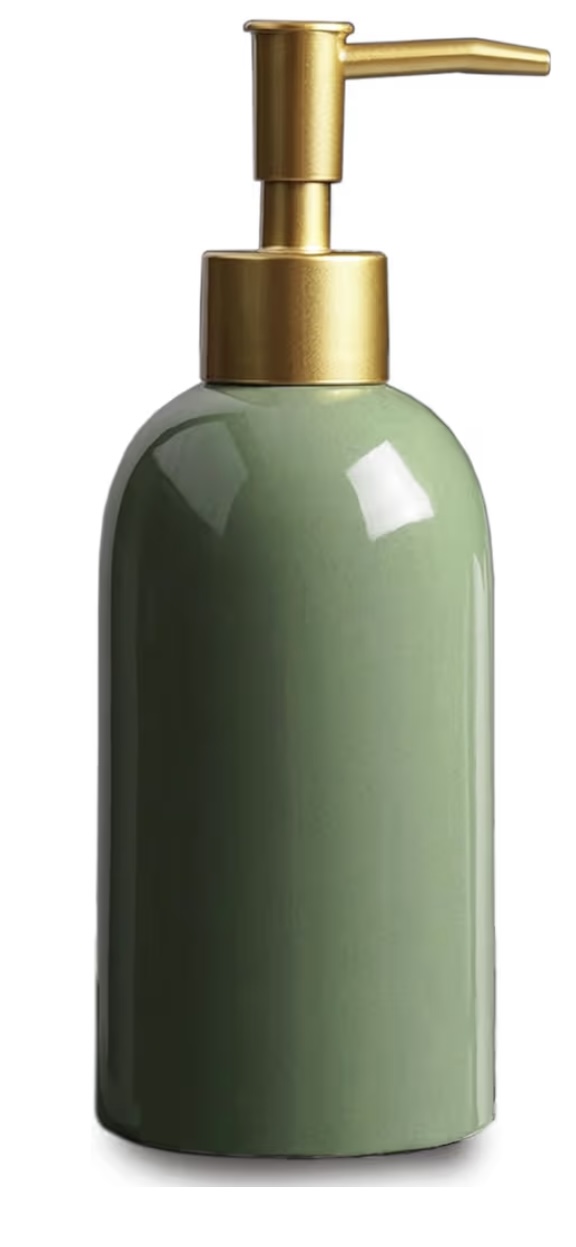
One of my favorite interior designers, Barbara Barry of BB Homes hides cleaning supplies into unmarked containers; “Why should I advertise Tide, she explains.” To that end he bought a sage green soap dispenser to hide the label on his dishwashing soap. It is a little thing but overall, it reduces clutter.
The few items near the washing machine on the corners of Walls One and Three were removed. Over the washing machine was hung a picture of the Last Supper.
One problem remains with the island: it is a dark brown. Similar cabinet doors used to enable access on both sides. Temporary tenants had once removed the cabinet doors and sealed that side with ugly brown plywood. Painting it with white or sage on this raw plywood would have been ugly. I suggested wainscoting and a molding on the floor. At this point we haven’t figured out what to do.
*****
[1] Patterns and Symbols in Decorating, Lesson VII, Part D – What to Do. No matter how good the symbols are, if their placement does not hold a harmonious scaffolding, they take down the design and rob it of energy.
[2] The Gestalt Law of Perception, Lesson V See Law of Similarity
[3] The Gestalt Law of Perception, Lesson V See Law of Good Continuity
[4] Let the Eyes Have a Pleasurable Dance, Lesson VIII, Part B – to be completed
[5] he Gestalt Law of Perception, Lesson V See Law of Common Region:
“The Law of Common Region can unify a group of details that otherwise appear unconnected and visually noisy. A recent online tip from Real Simple reflects on this law. A cluttered kitchen counter where keys, mail, broken objects, and other paraphernalia land can appear clutter-free, Real Simple suggests, by placing them on a tray. The details (fixations) of clutter on a tray is seen in one form (one fixation). If the tray becomes a detail in the kitchen, it may need to be addressed. But, the surface, at least, is perceived calmer.” The magazine had a good tip but my problem with all decorating magazine tips is they don’t teach. If readers knew about this law they could adapt to other areas of their environment.
[6] Finding Energy Through Geometric Patterns, Lesson III
[7] The Gestalt Law of Perception, Lesson V See Law of Closure”
The Law of Closure is very powerful. The philosopher V. K. Maheshwari once wrote, “Closure is dangerous, volatile, seductive and even playful. It works to show us an image that does not actually exist before our eyes; it reaches into our psyche to create a fiction and compels us to believe it.”
If you want to understand the power of the Law of Closure, look at advertising designs. Almost all corporate logos use the Law of Closure. I often tell my clients that if they want to decorate for Energy, look at what big business does.
[8] Finding Energy Through Geometric Patterns, Lesson III
[9] Let the Eyes Have a Pleasurable Dance, Lesson VIII, Part A
[10] Patterns and Symbols in Decorating, Lesson VII, Part D – What to Do “
“The secret to coming up with a good room for a child is respect,” wrote John Wheatman in Meditations on Design. For example, he said, a drawing or painting stuck among other things on the fridge won’t seem special. Wheatman recommends using frames to display some — not all — of the child’s artworks. The works can be replaced as others are completed
Leave a Reply